Why a travel medicine kit matters abroad
New food, water, climate and long journeys make minor illnesses common on international trips. In many countries, medicines that are sold over the counter in India need a local prescription, pharmacies can be hard to find at night, and a short doctor visit can cost far more than at home.
Carrying a small, well-organised kit means you can treat common problems within hours instead of losing a day of your trip — and you know exactly what you are taking.
The essential checklist
| Problem | What to carry | Why |
|---|---|---|
| Loose motions / food poisoning | ORS sachets, antimotility tablets, probiotics | Dehydration is the main risk; ORS is the first treatment |
| Acidity & indigestion | Antacid tablets | Rich or unfamiliar food is the most common trigger |
| Fever, headache, body pain | Paracetamol; a pain reliever | Jet lag, long walks and infections |
| Allergies, sneezing, hives | Antihistamine tablets | Pollen, dust, insect bites and new foods |
| Motion & air sickness | Motion sickness tablets, antiemetic | Flights, ferries, winding mountain roads |
| Cold, cough, sore throat | Anti-cold tablets, cough suppressant, lozenges | Air-conditioning and weather changes |
| Cuts, scrapes, blisters | Bandages, plasters, cotton, antiseptic | Walking tours, beaches and hikes |
Don’t forget your regular prescription medicines
- Carry enough for the whole trip plus 3–5 extra days in case of delays.
- Keep them in their original labelled packaging.
- Carry a copy of your prescription or a doctor’s letter listing the generic names and doses.
- Split supplies between your cabin bag and checked bag so a lost suitcase doesn’t leave you without them.
Check your destination’s medicine rules
Some medicines that are common in India are restricted or banned elsewhere. Japan, for example, prohibits medicines containing pseudoephedrine or ephedrine, and the UAE, Singapore and Thailand control many narcotic and psychotropic medicines. Always check the official rules for your destination before you fly.
Tip
Read our guide to medicines banned or restricted abroad before packing cold, cough, sleep or strong pain medicines.
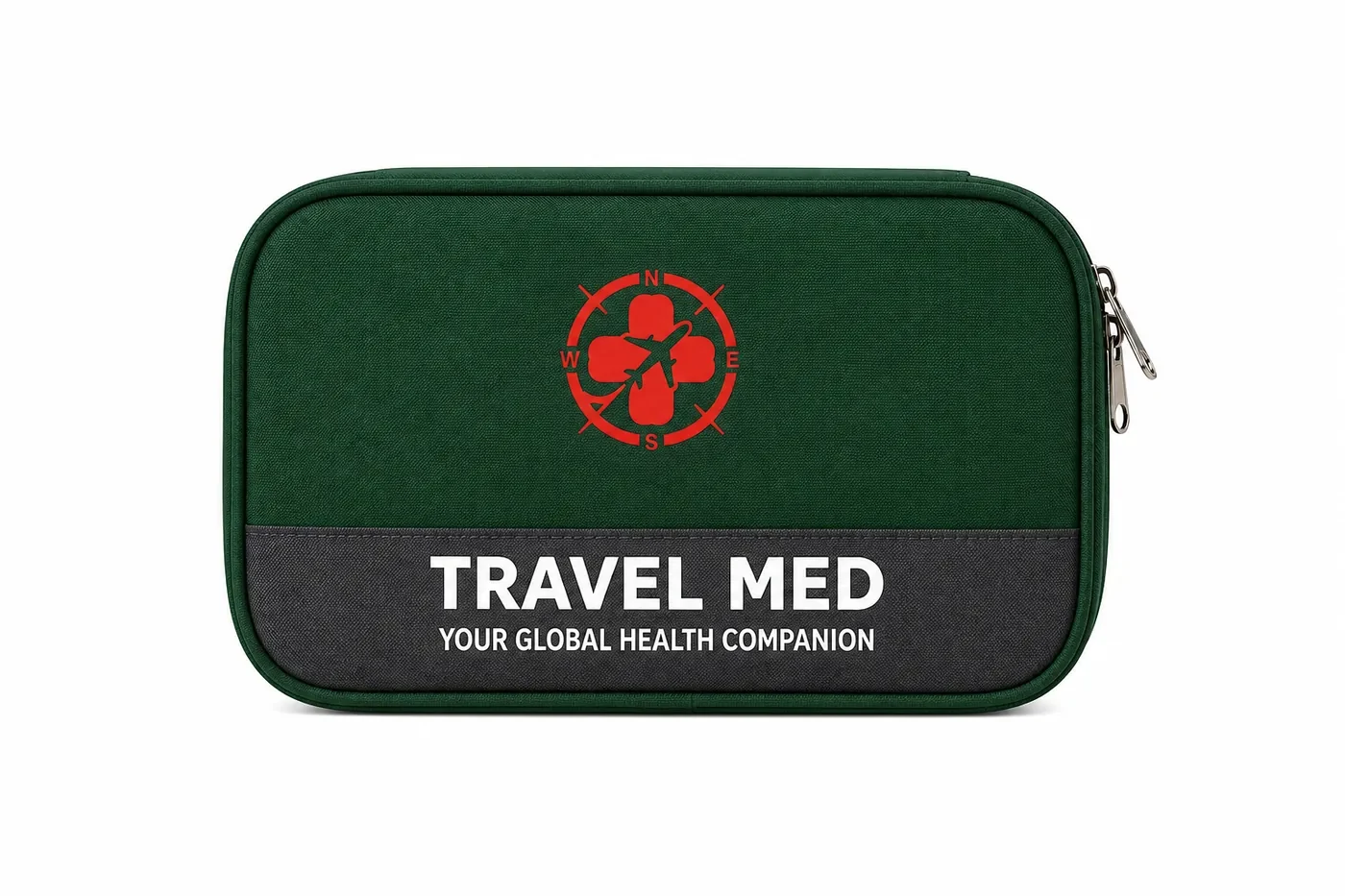
Ready-made option: the TravelMed kit
TravelMed puts 150+ medicines and essentials across 17 categories into one colour-coded pouch, with an English dosage guide, a signed doctor’s prescription and 2 free doctor teleconsultations for when you are unsure what to take.
Frequently asked questions
How many days of medicines should I carry abroad?
Carry enough of your regular medicines for the full trip plus 3–5 extra days. For common-ailment medicines, a small supply of each is usually enough for a one- to three-week trip.
Do I need a prescription to carry medicines abroad?
For prescription medicines, yes — carry a copy of the prescription or a doctor’s letter with generic names and doses. Some countries also require advance approval for controlled medicines.
Can I buy medicines easily abroad?
Often not. Many medicines sold over the counter in India need a local prescription abroad, and pharmacy hours and languages can make it difficult to get help quickly.

Medically reviewed by
Dr. Chitarth Rajasekaran
Founder & Medical Director · MBBS, MS Ortho, DNB Ortho, MRCS (Edin), Fellow in FIJR, FISS
A practising surgeon and frequent traveller, Dr. Chitarth founded TravelMed after a family trip abroad was derailed by a minor illness.
Read his storySources
This article is general information for travellers and is not a substitute for personal medical advice. Medicine-import rules change — always confirm with the destination’s official health authority or embassy.
Found this useful? Share it with your travel group.